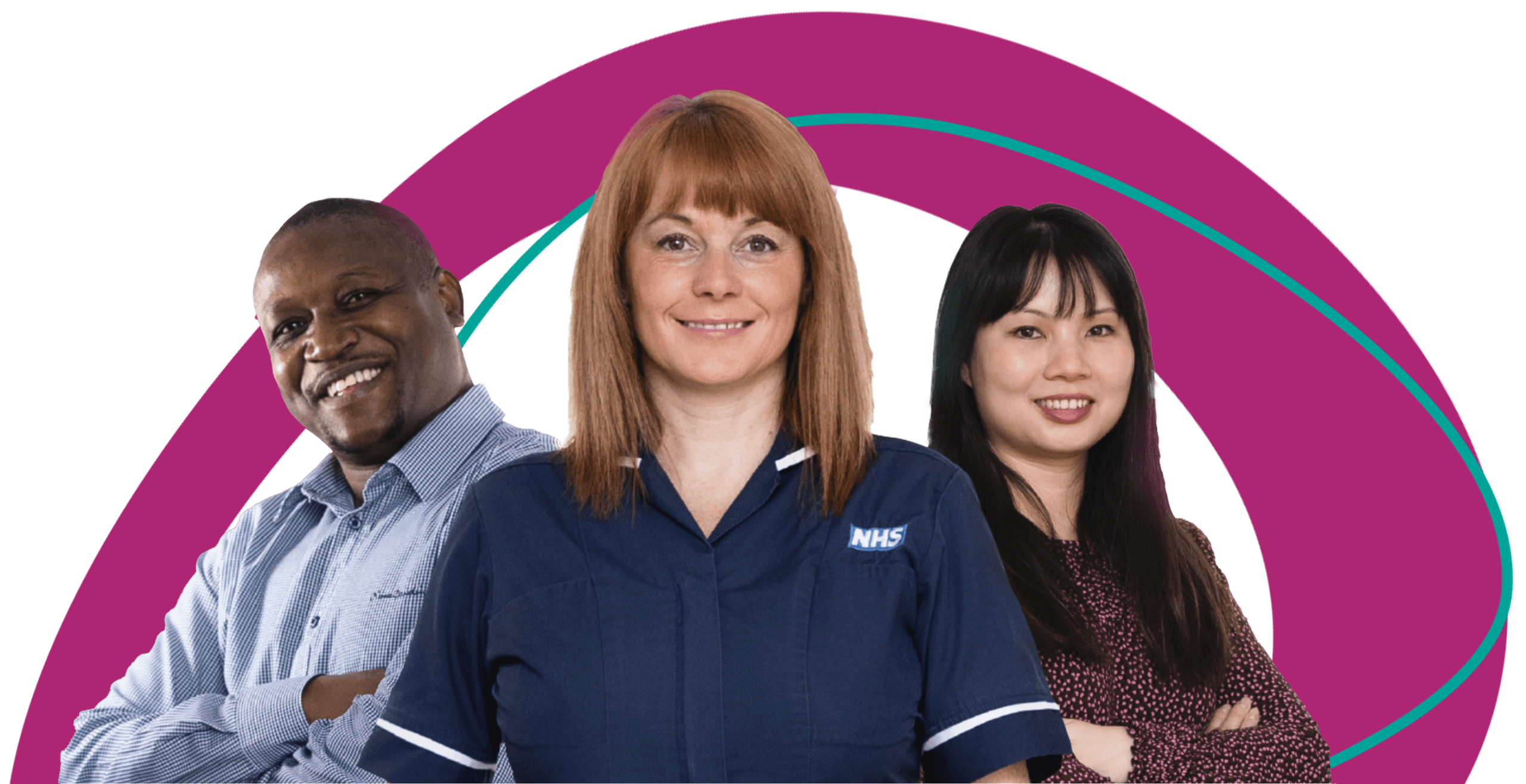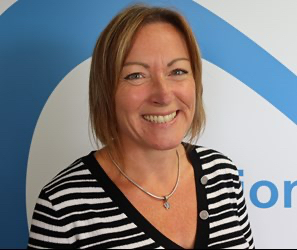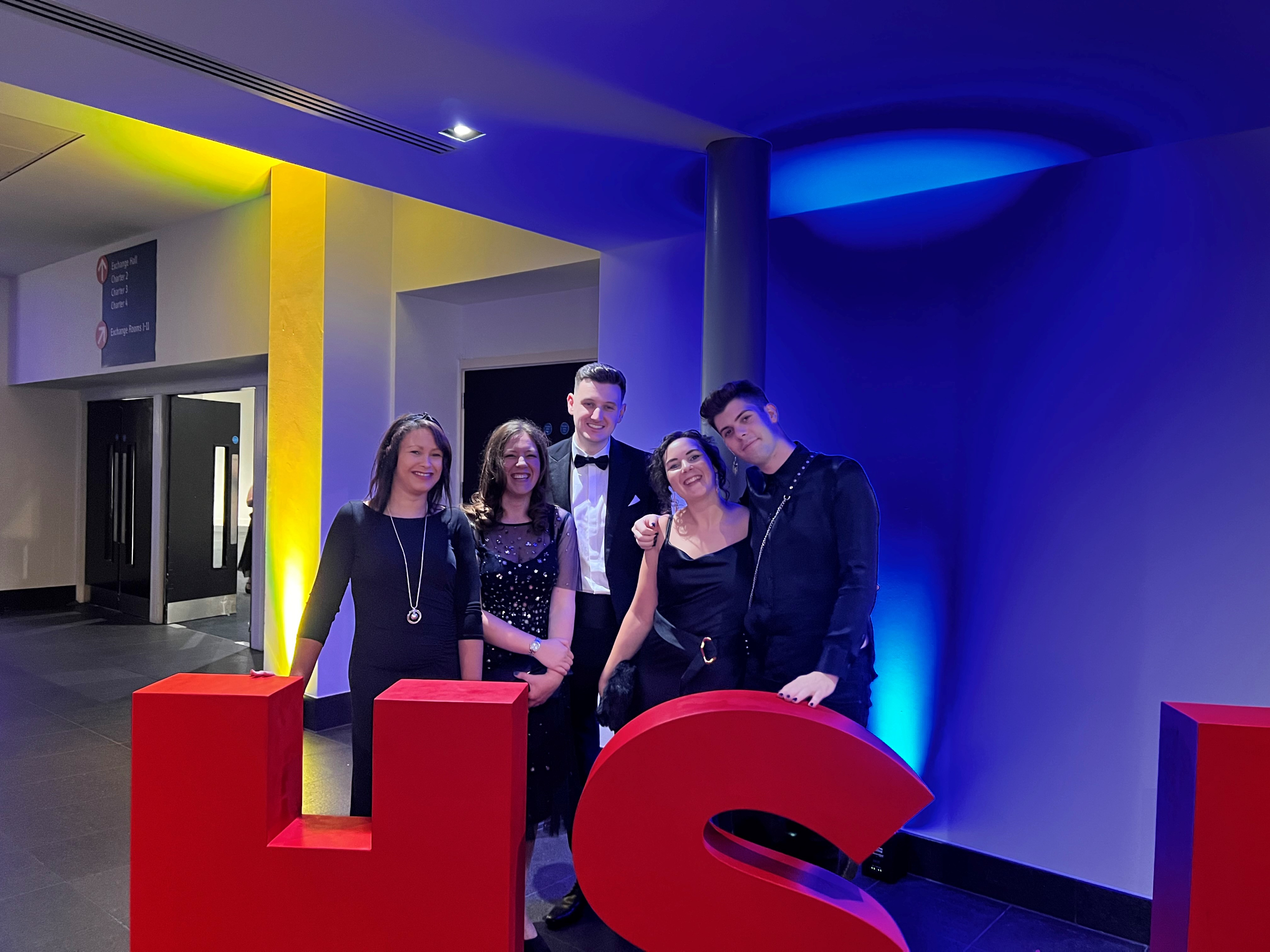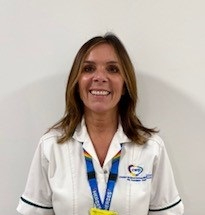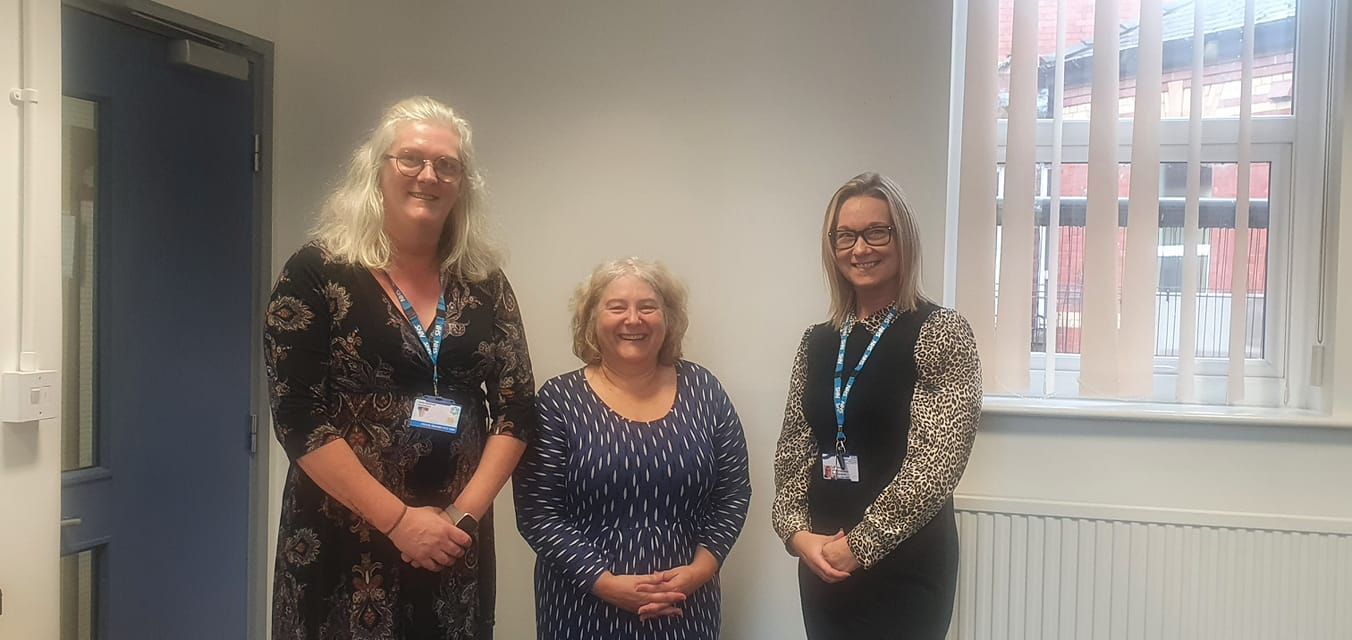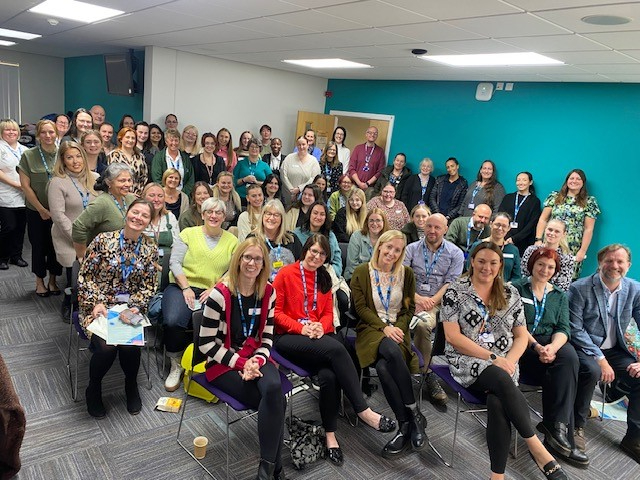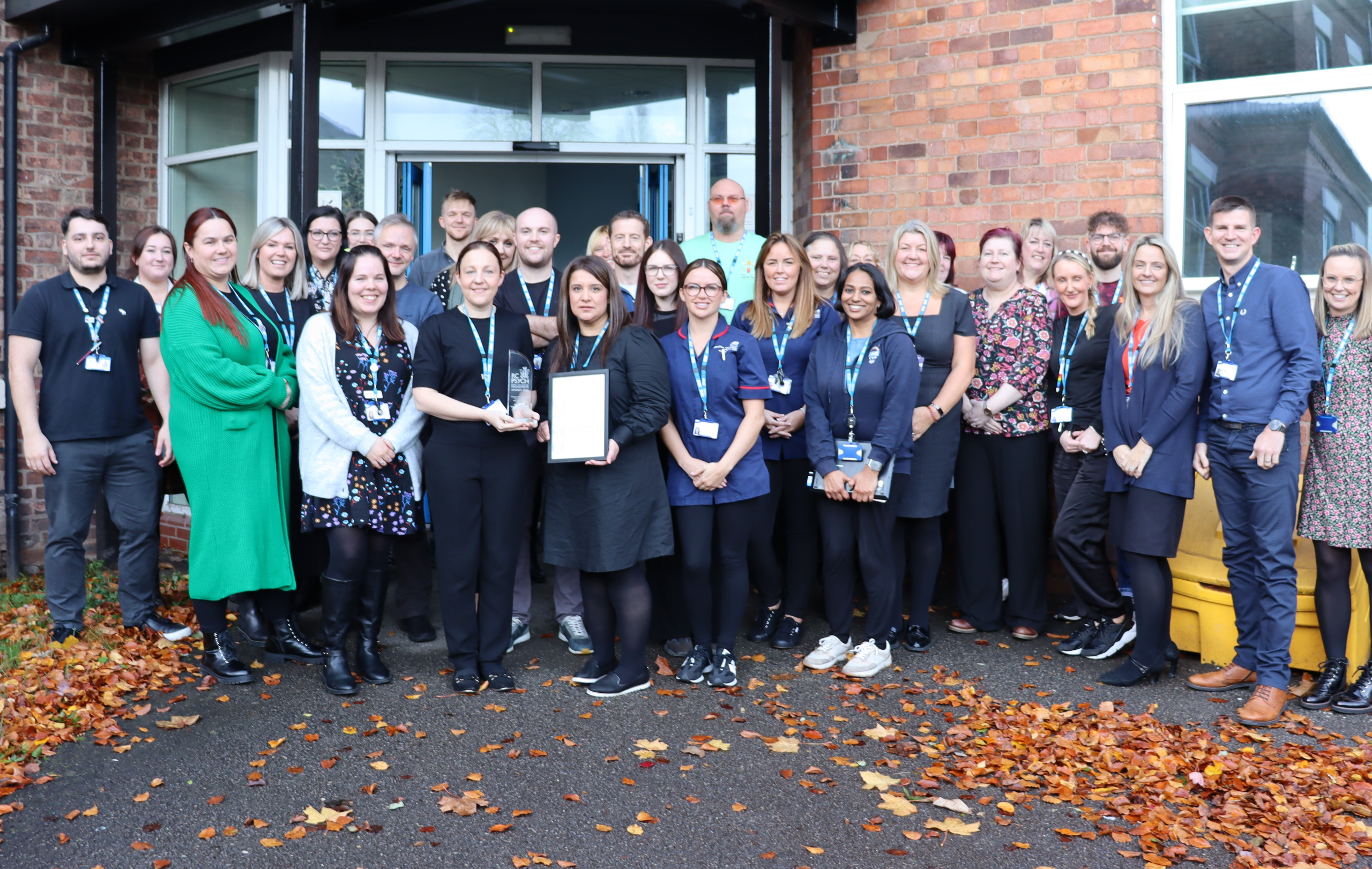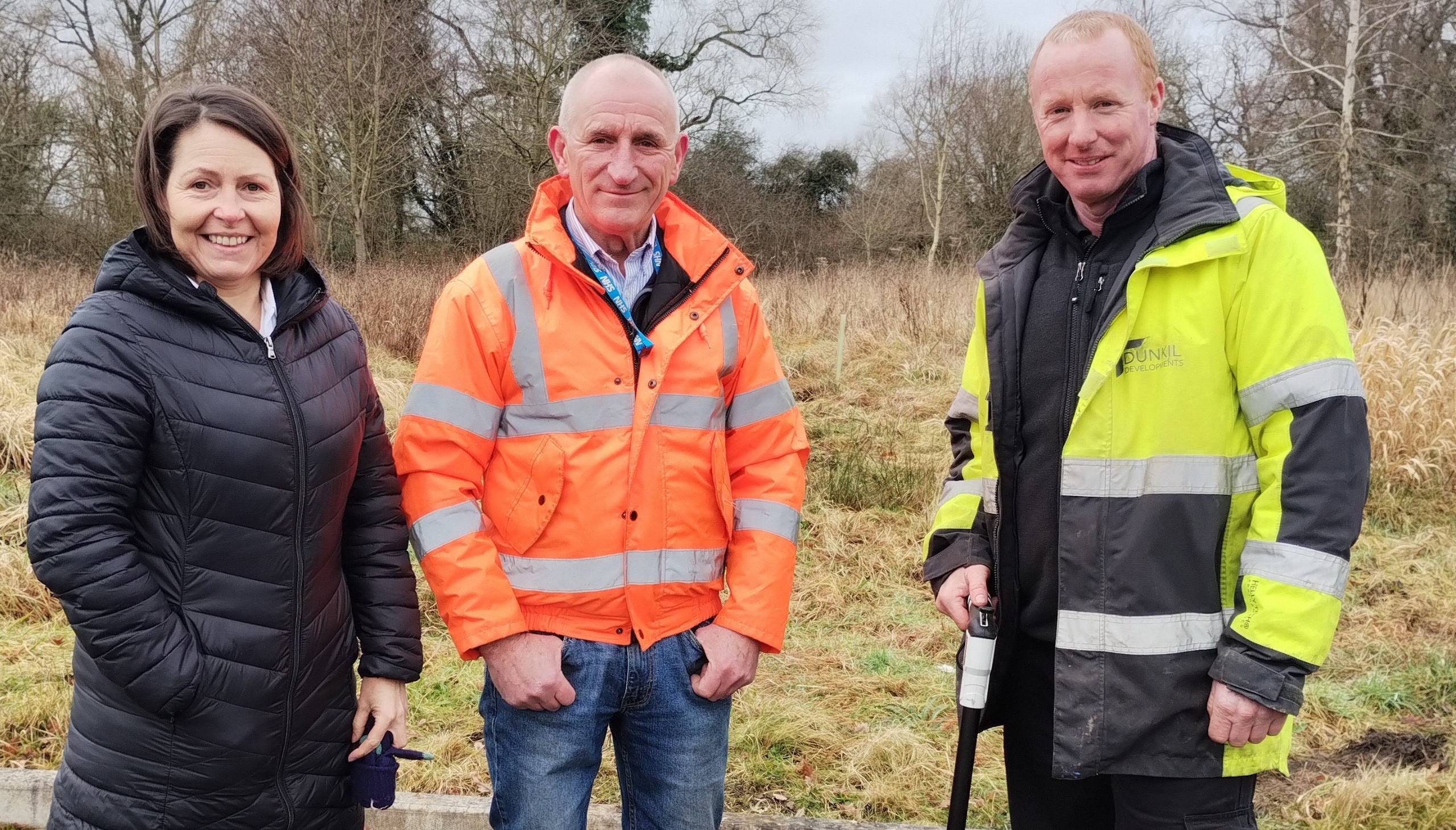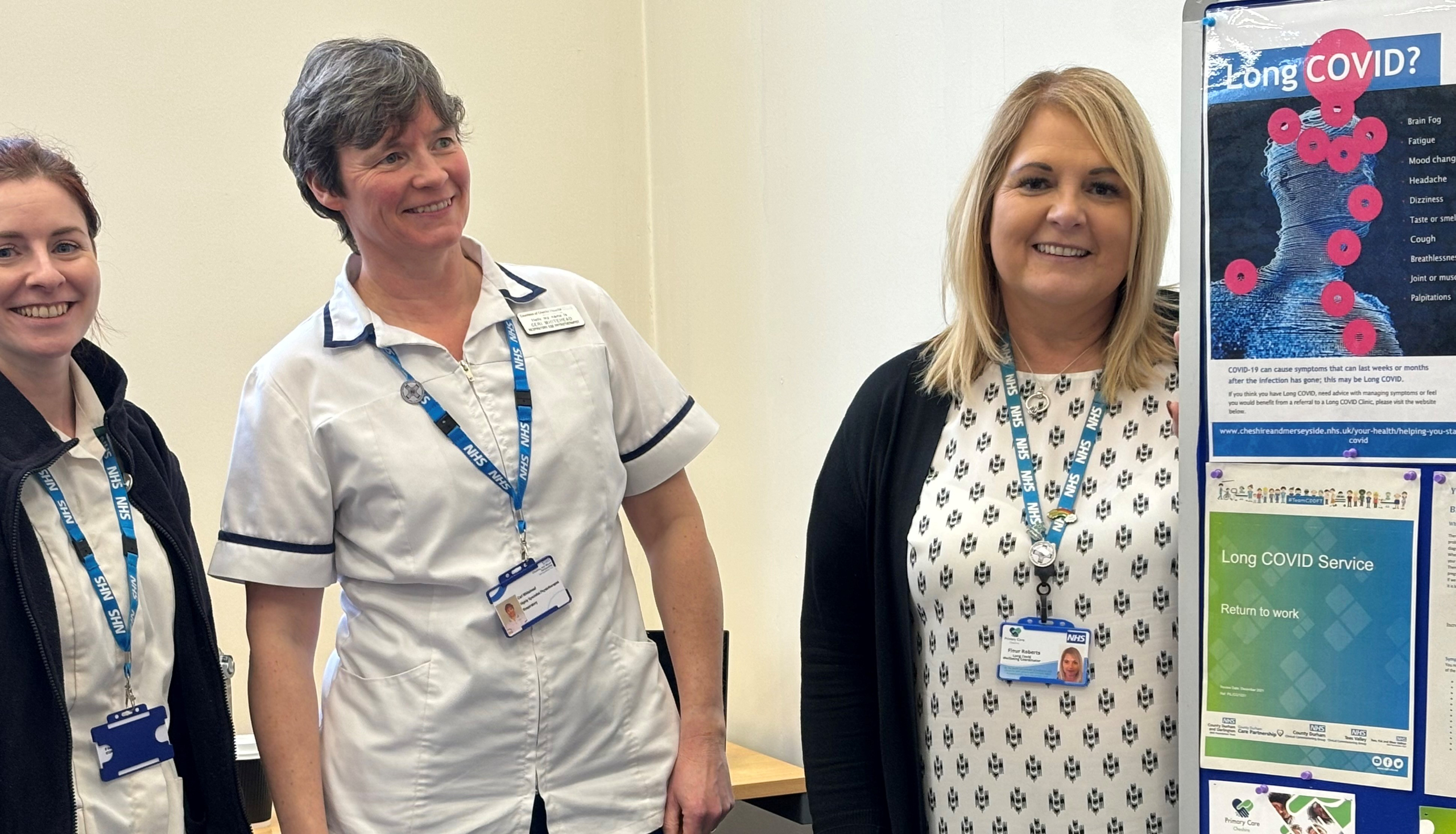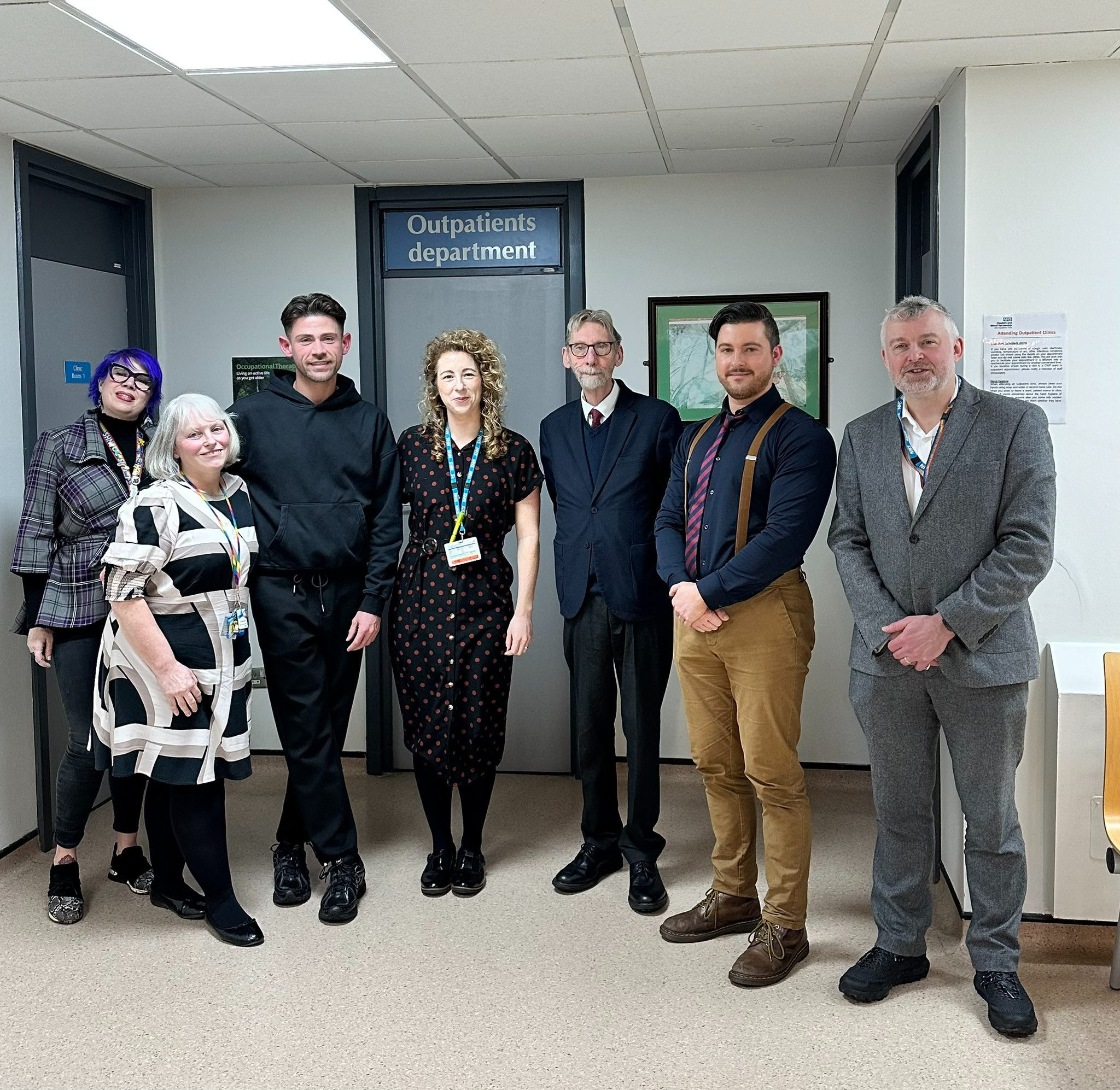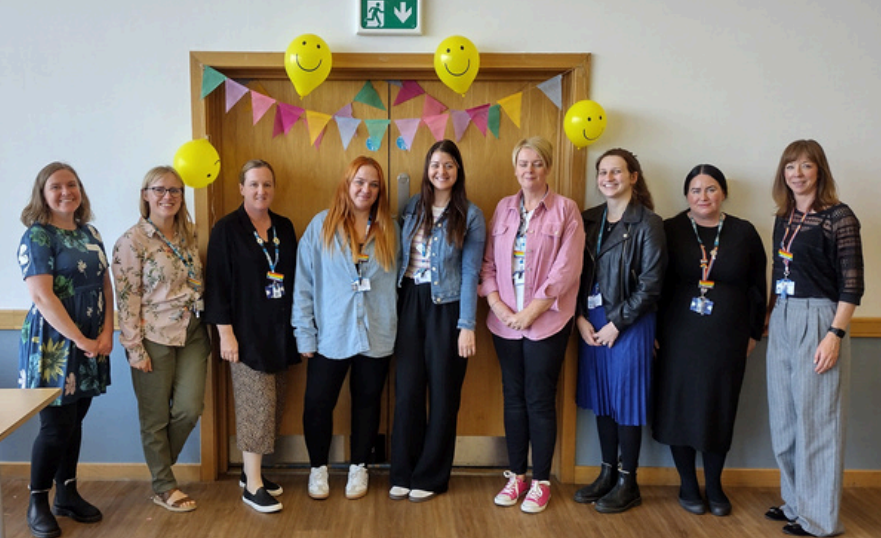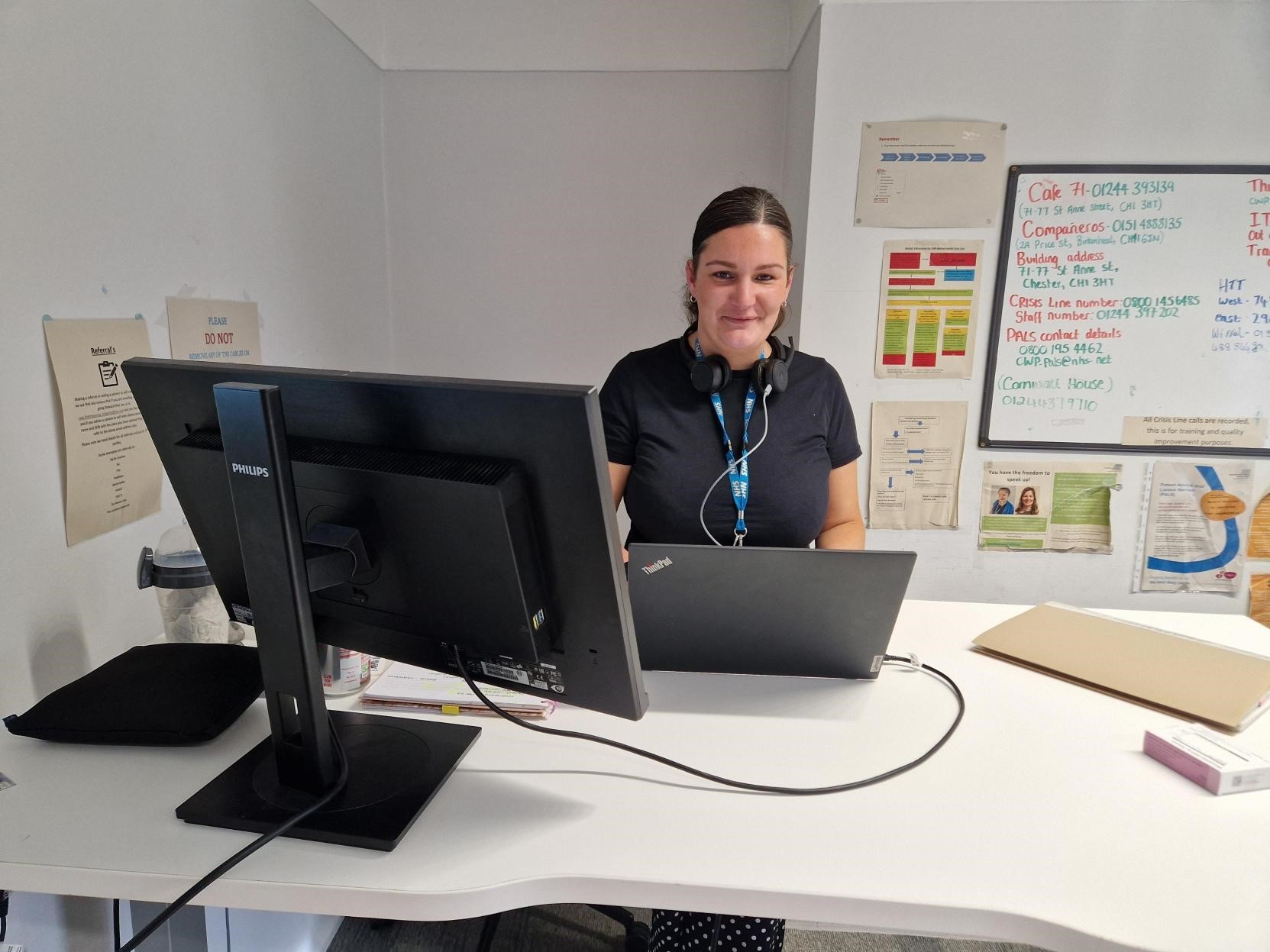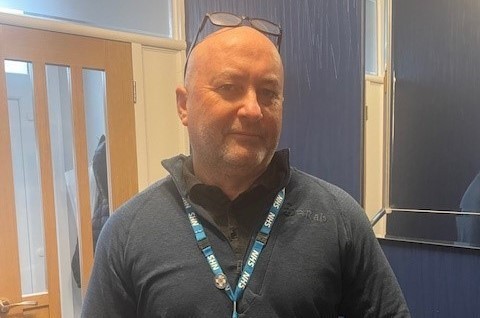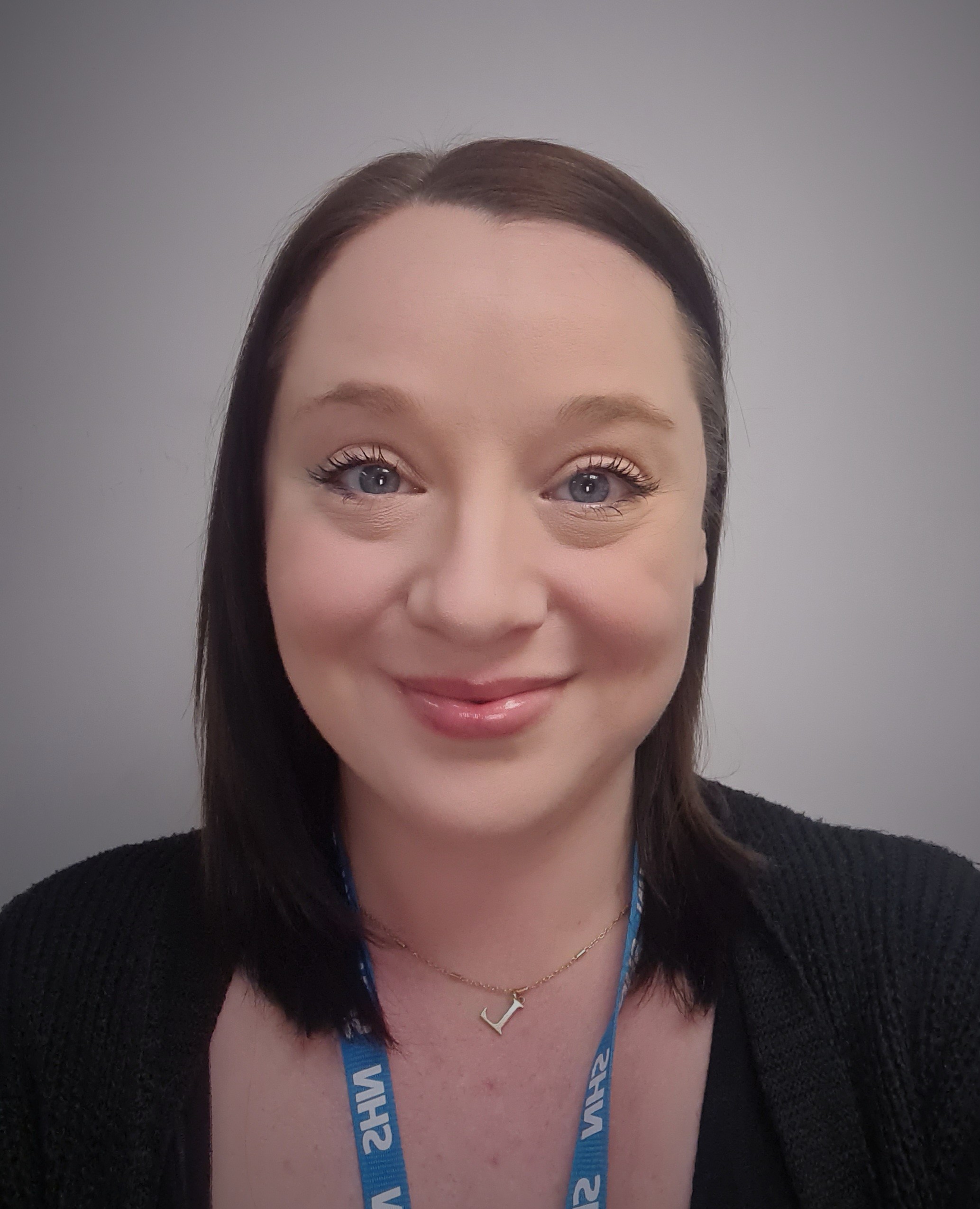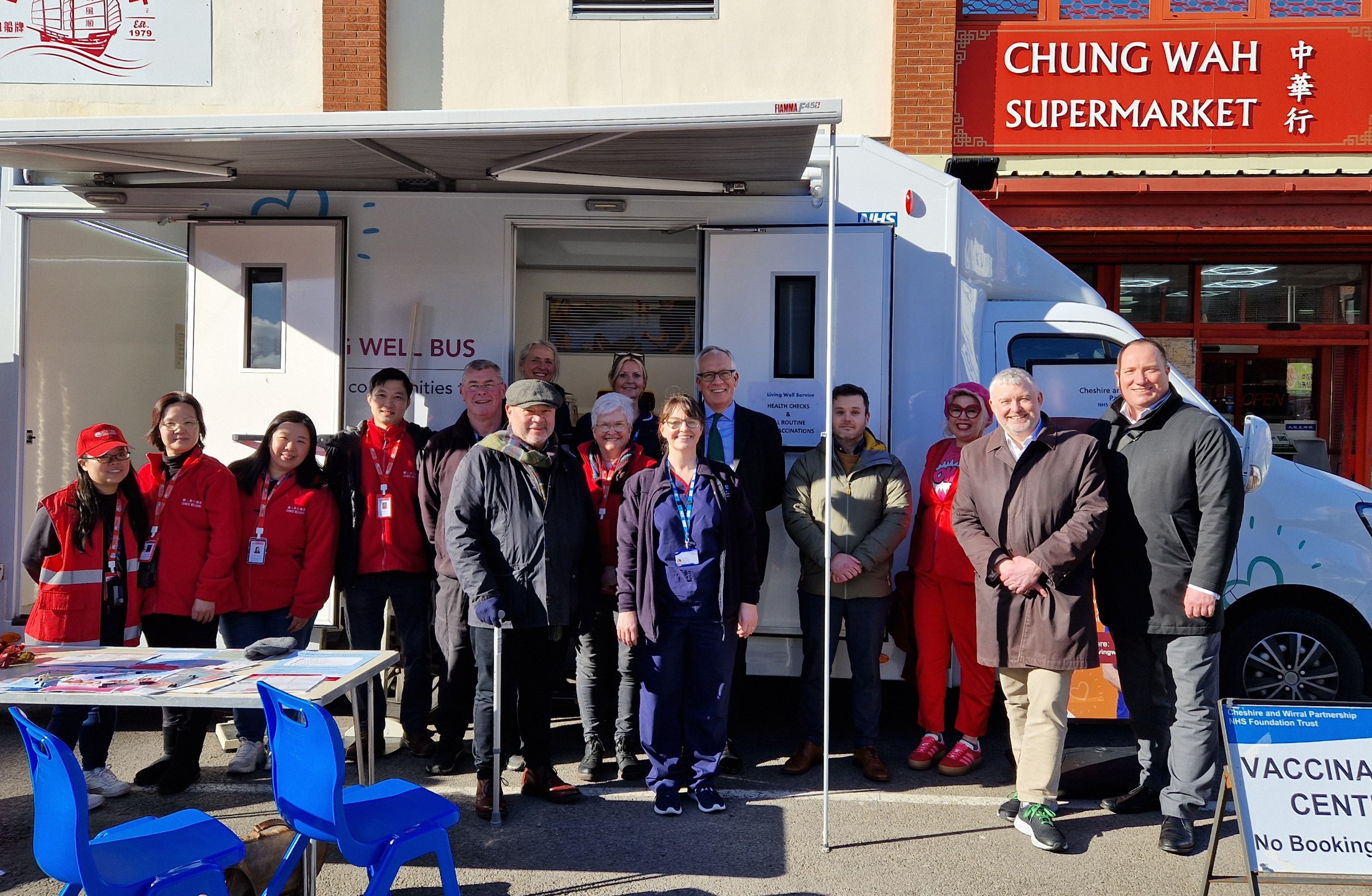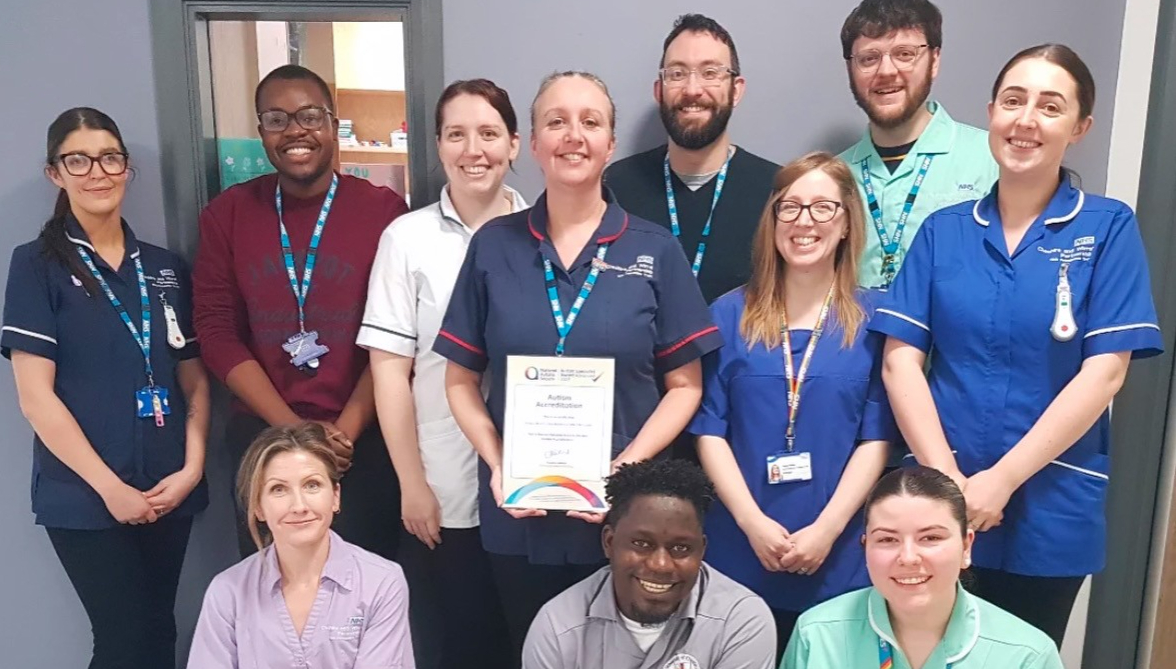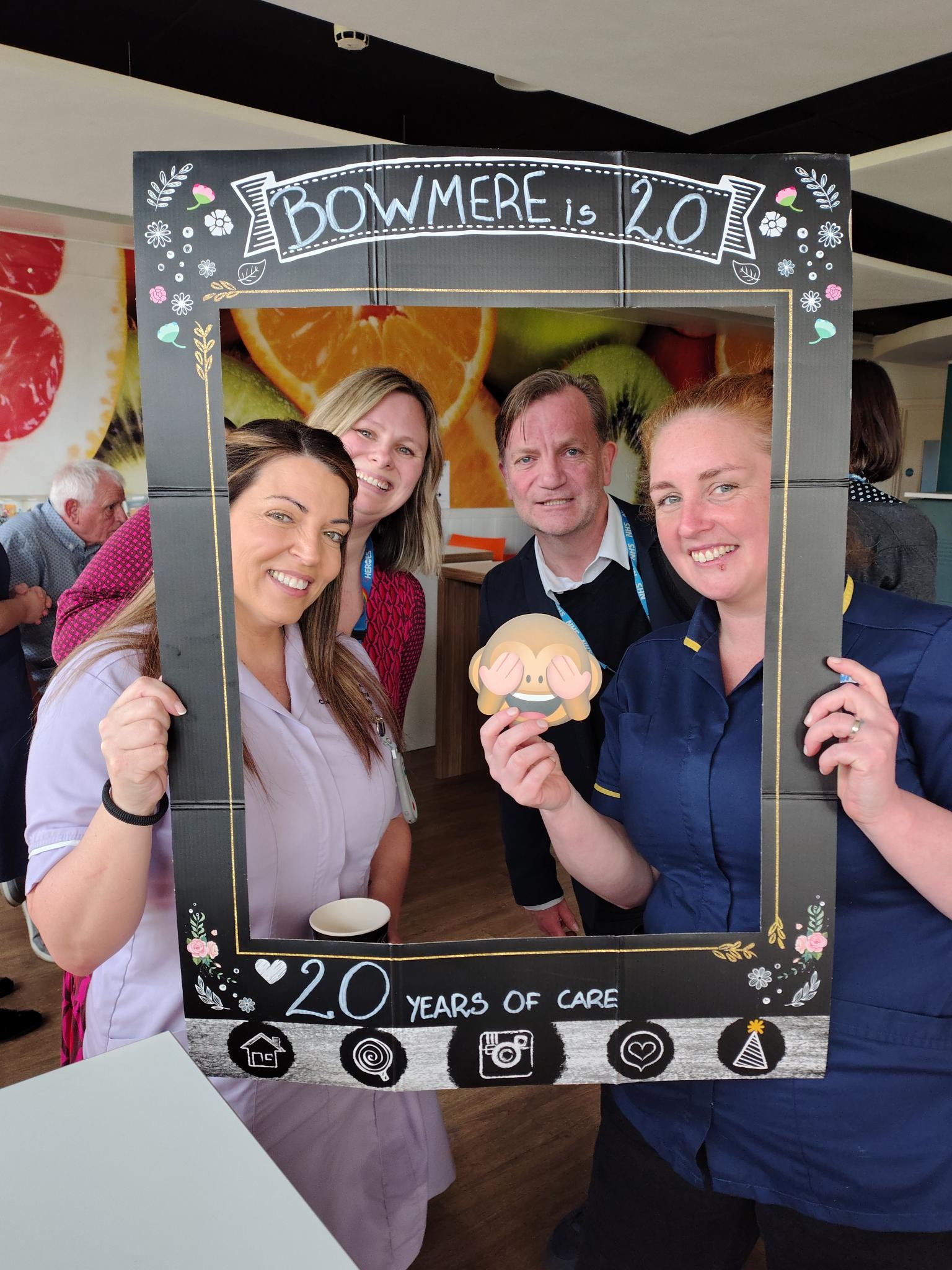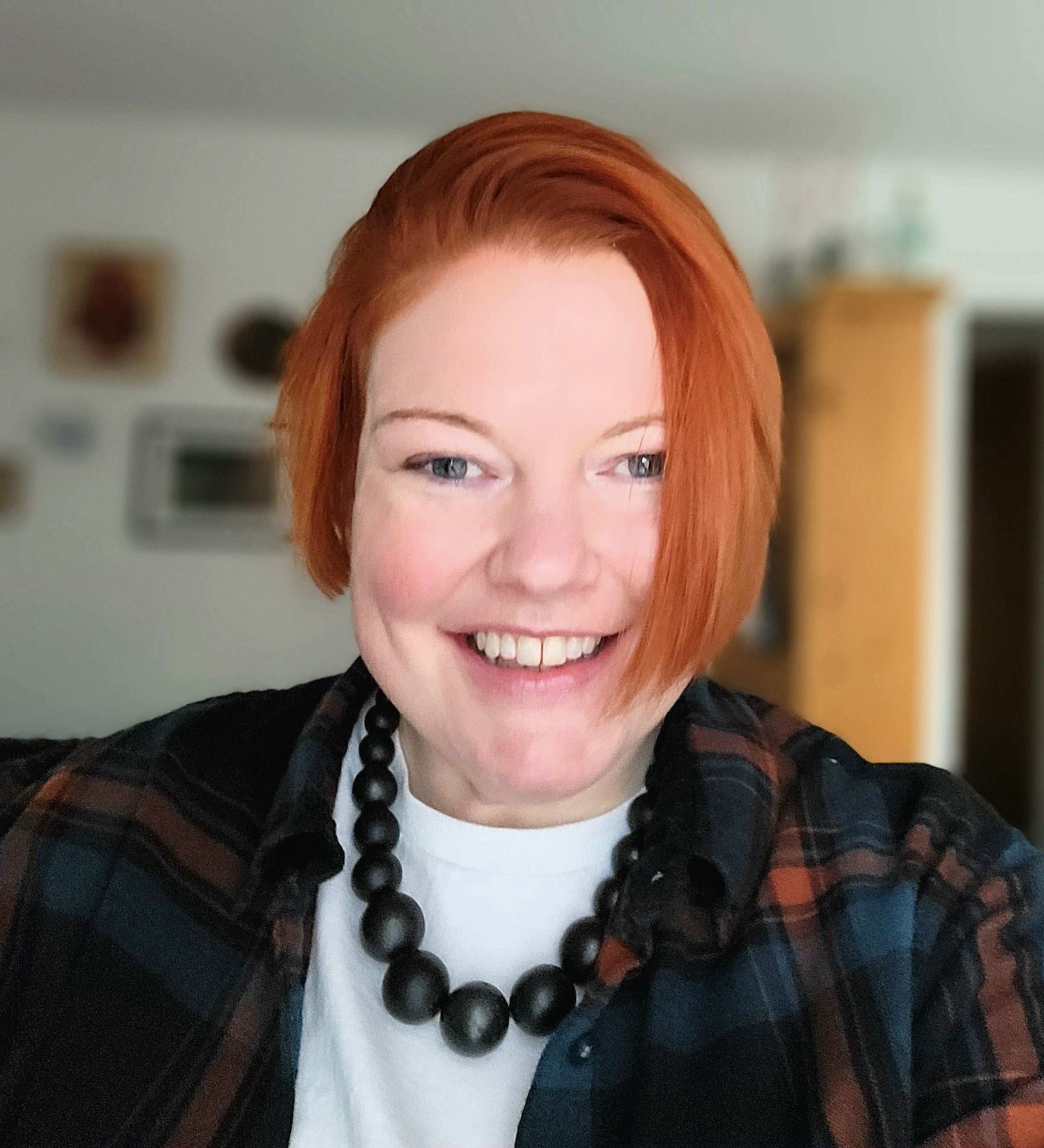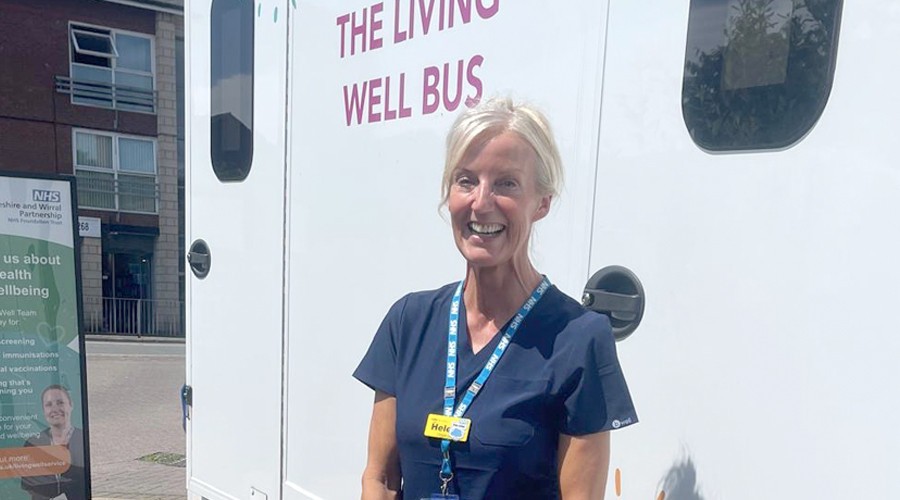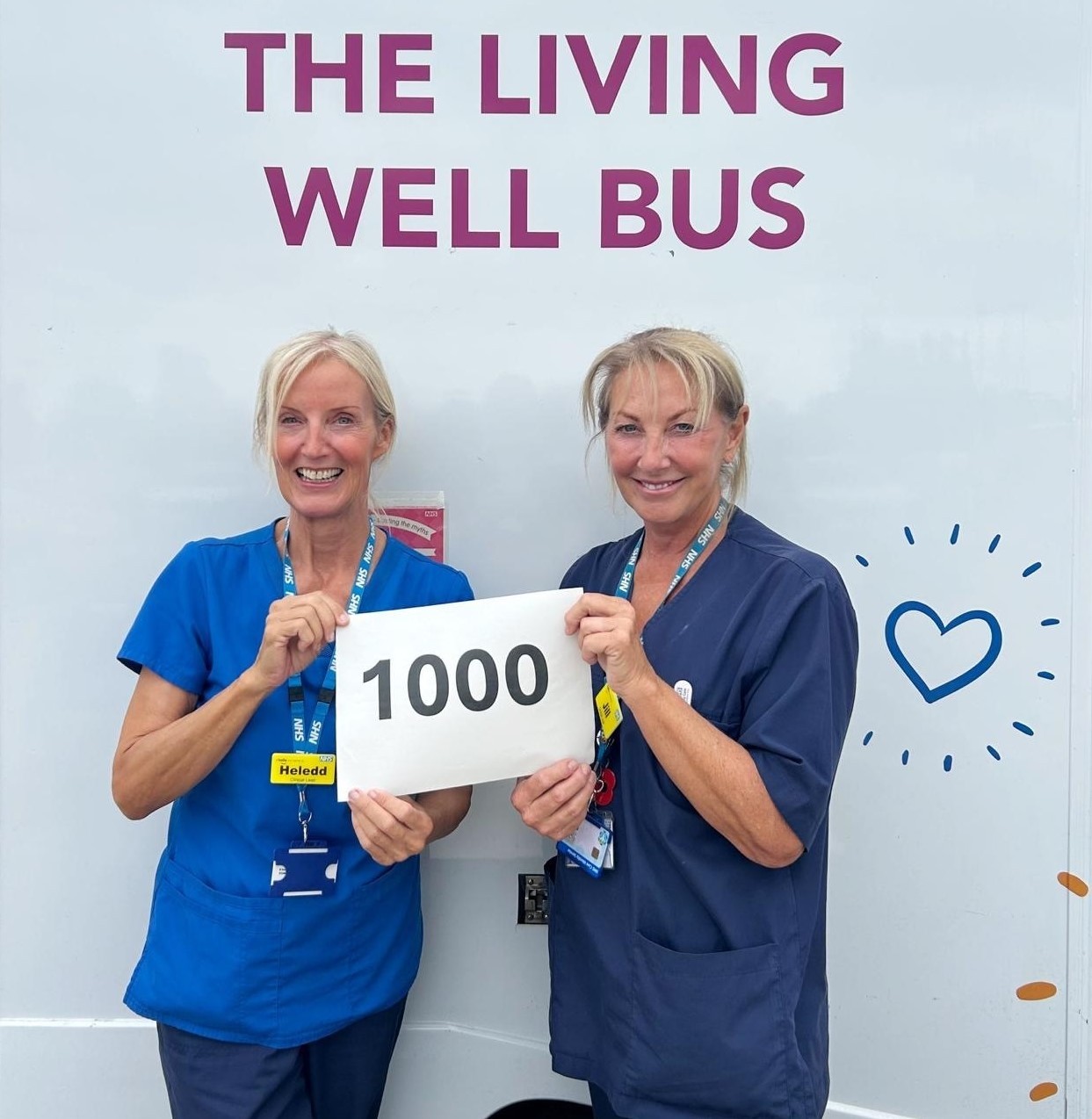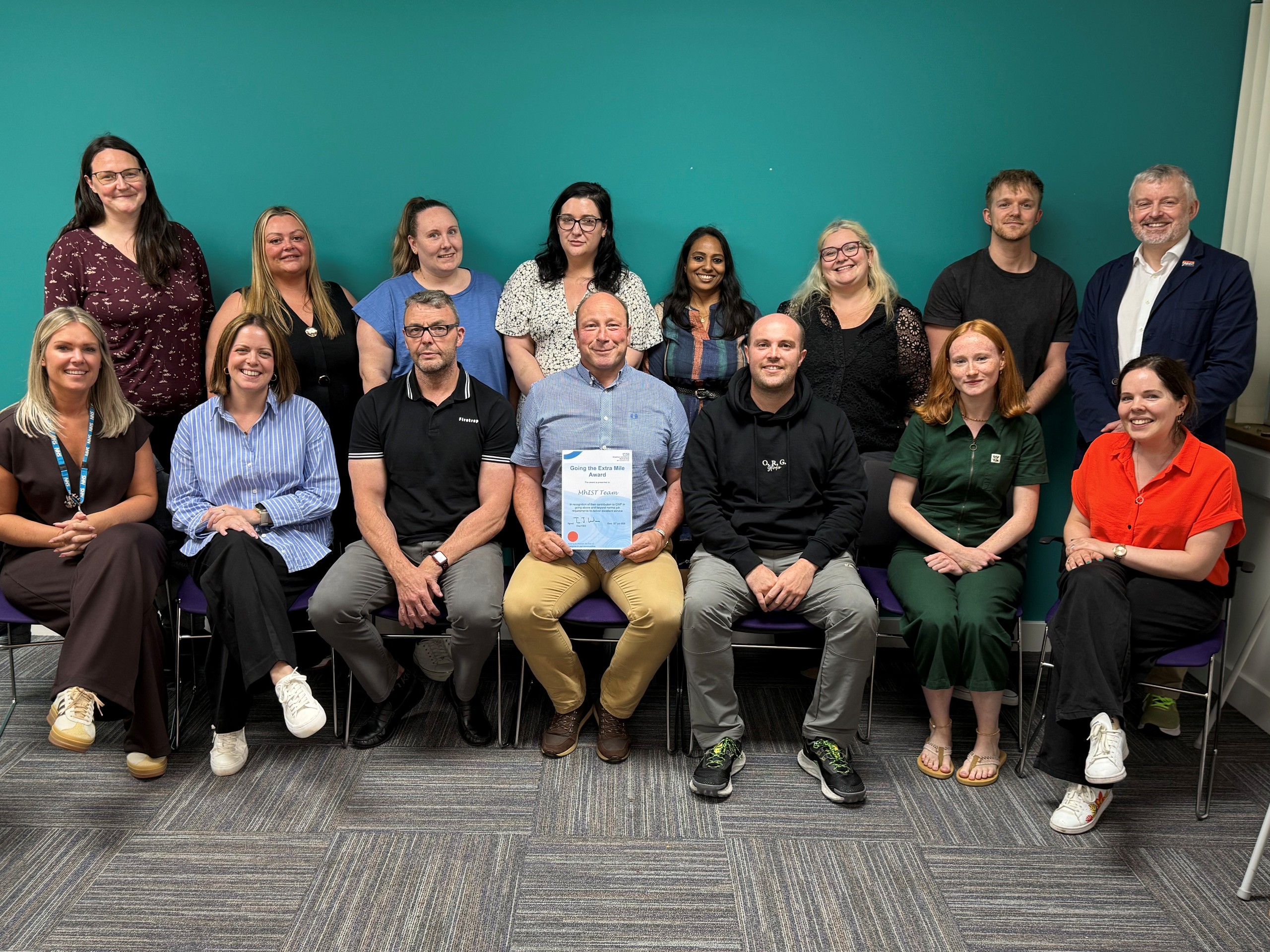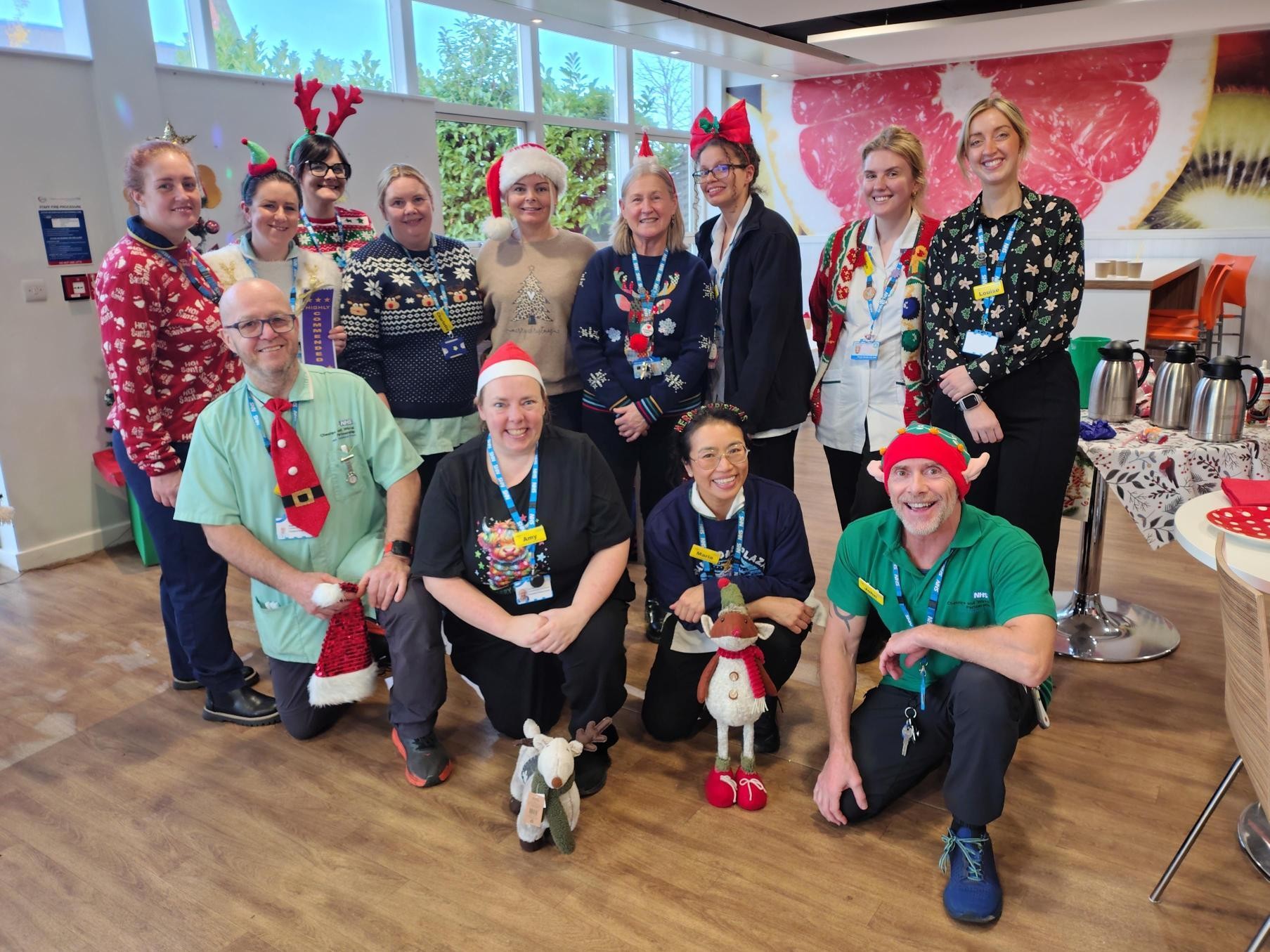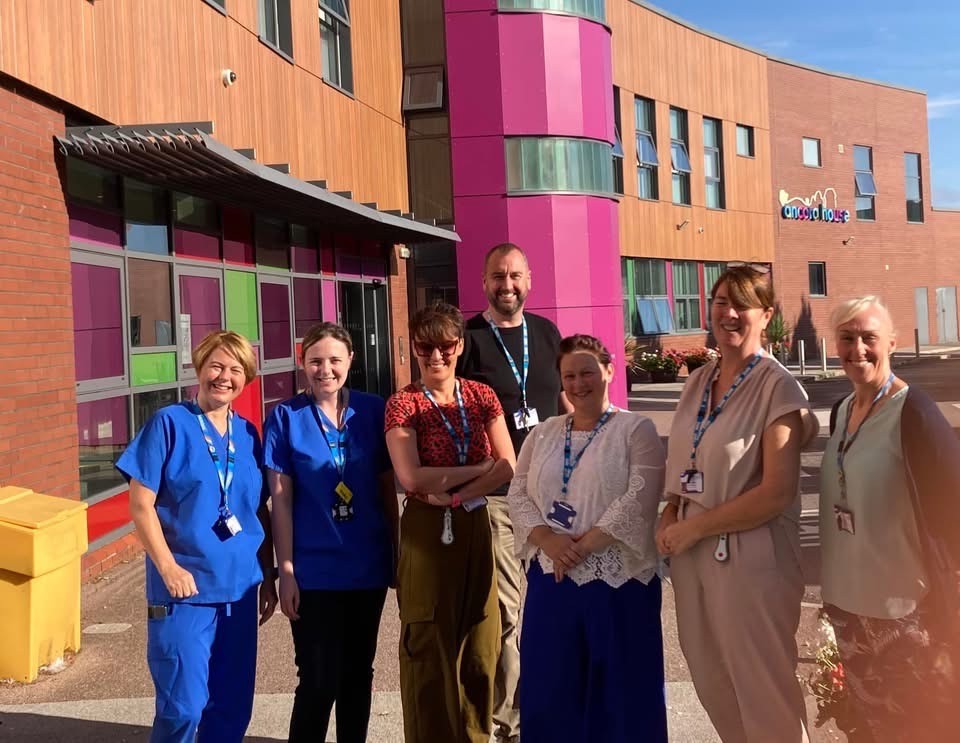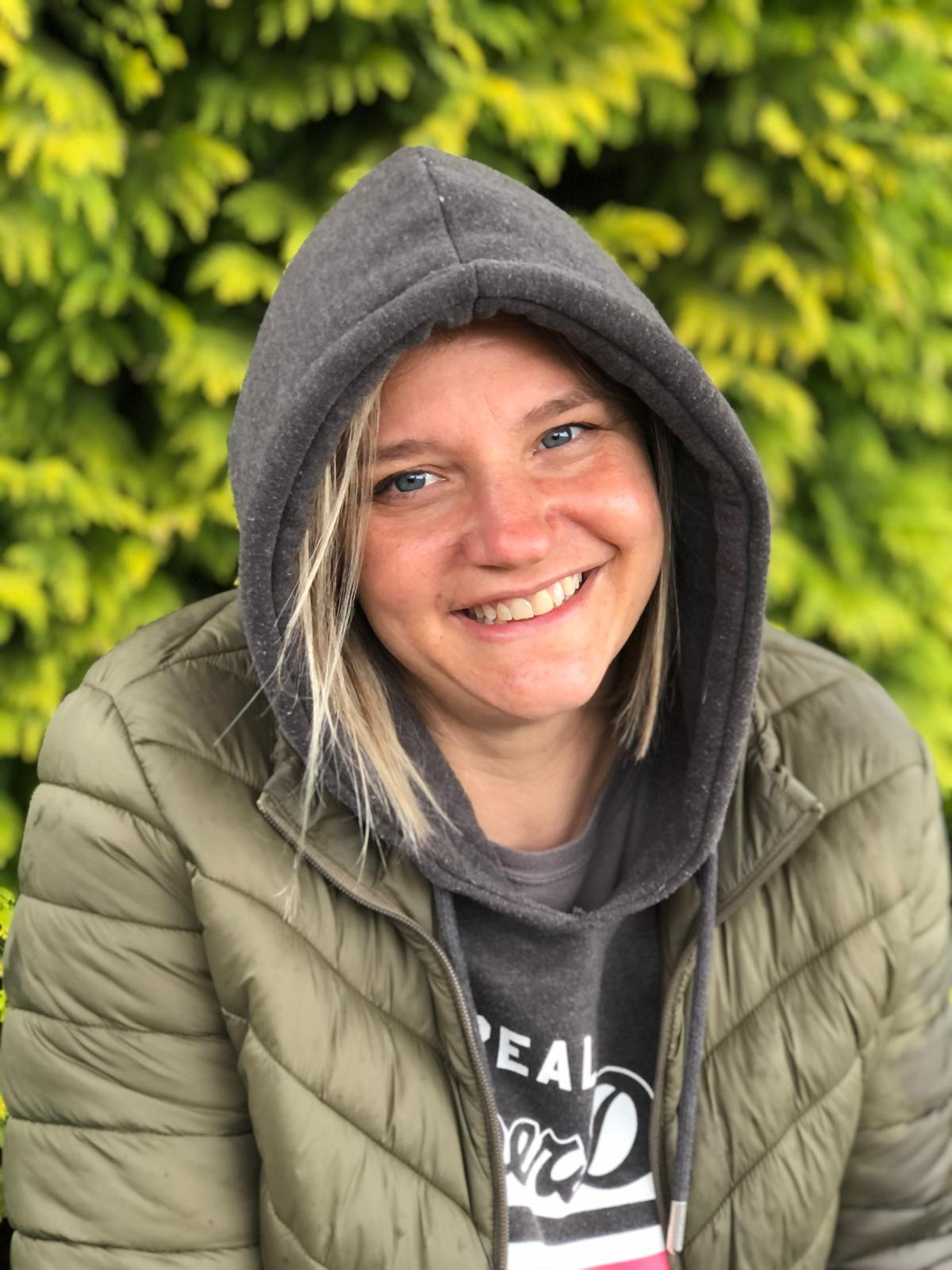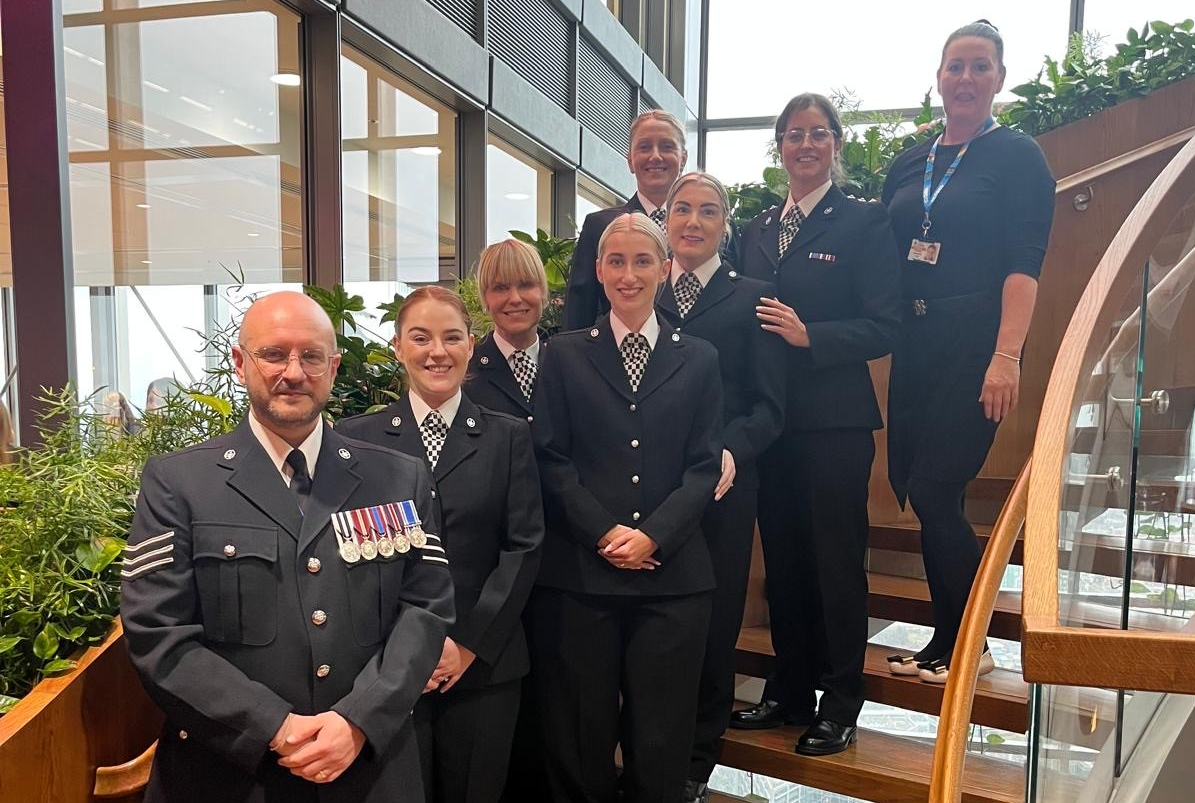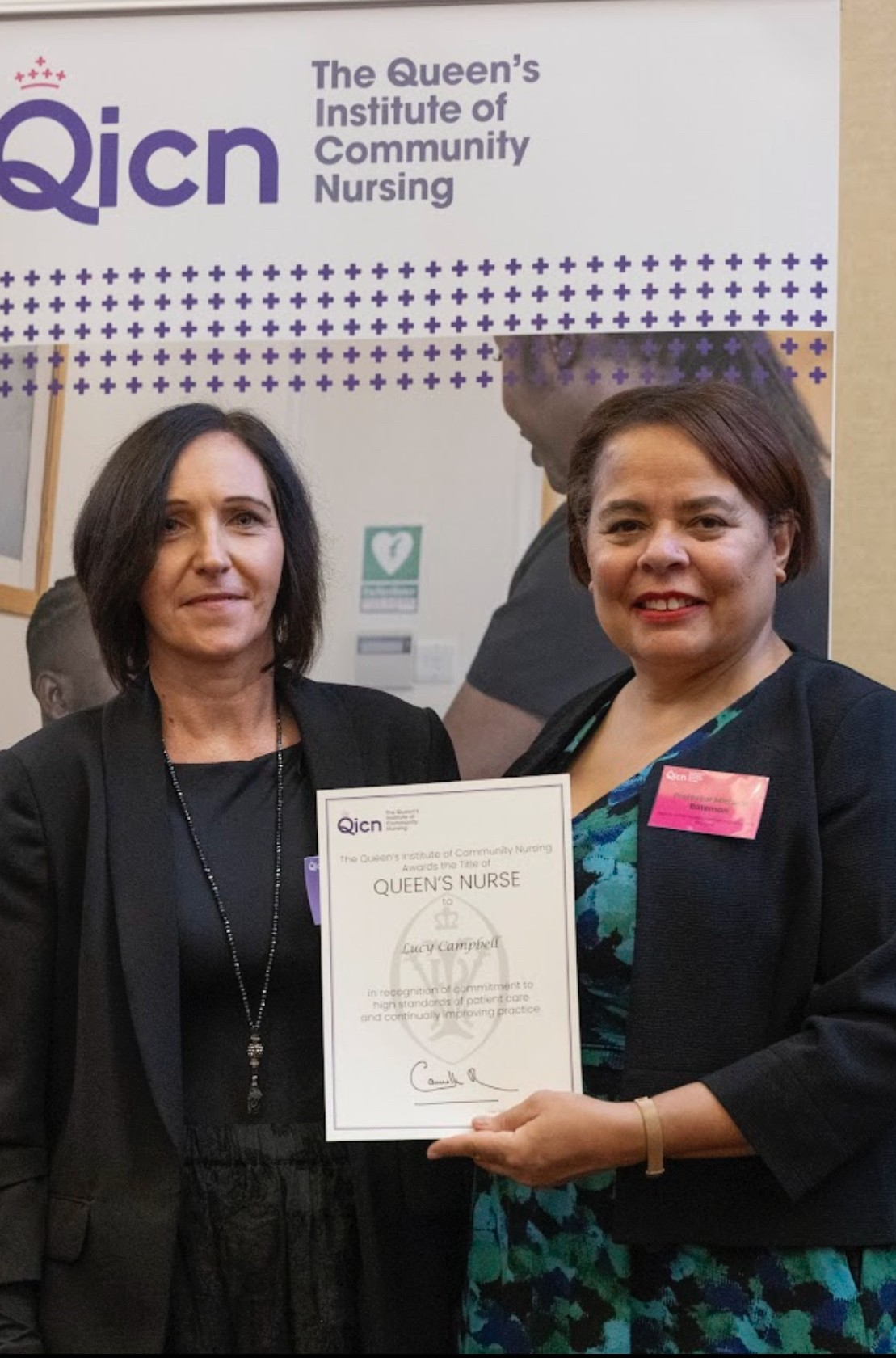
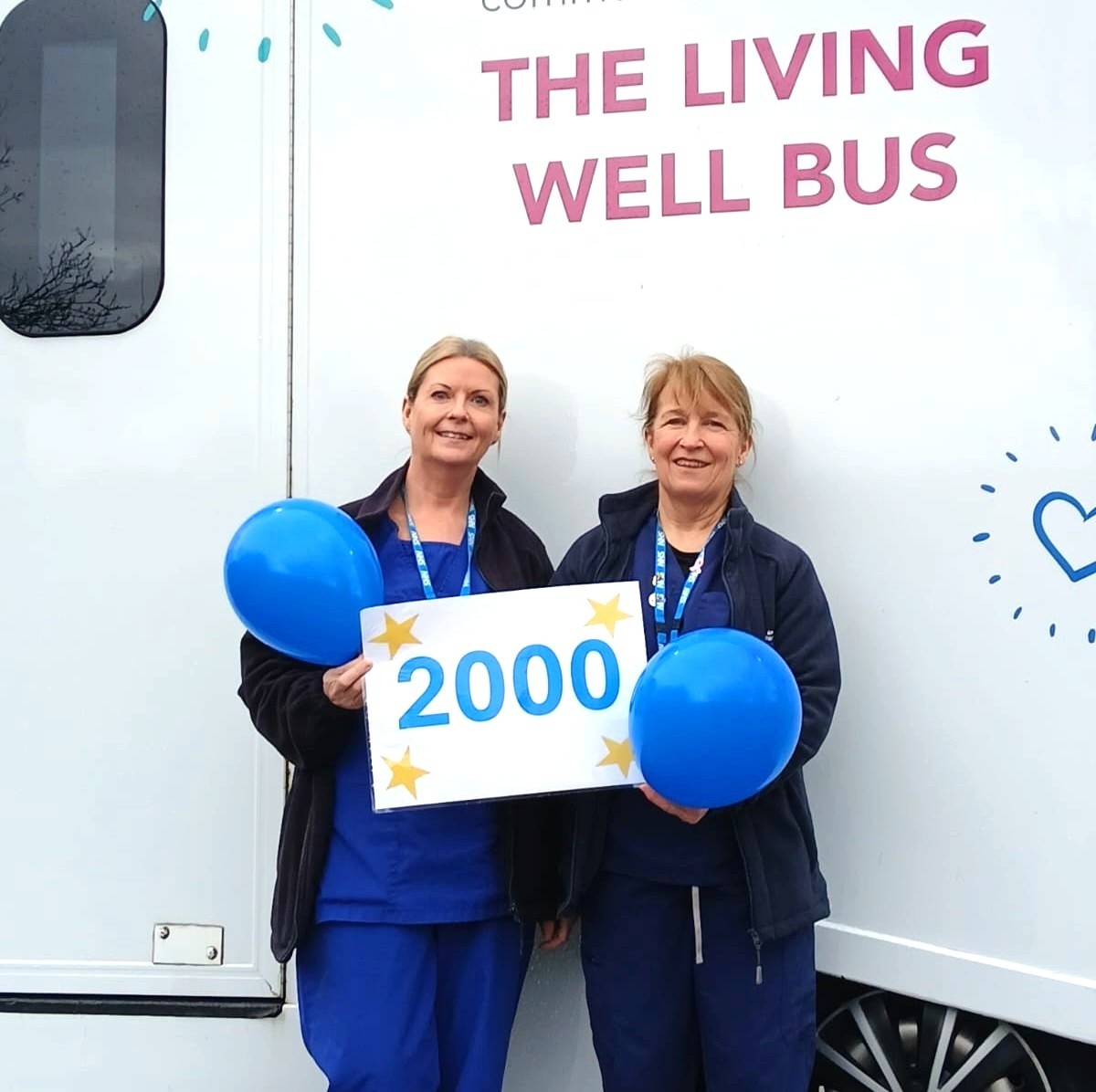
the Living Well Service team
A ground-breaking local mobile health service has recently provided its 2000th cervical screening as part of a programme aiming to reduce health inequalities in our region.
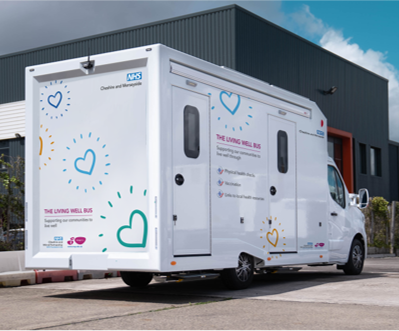
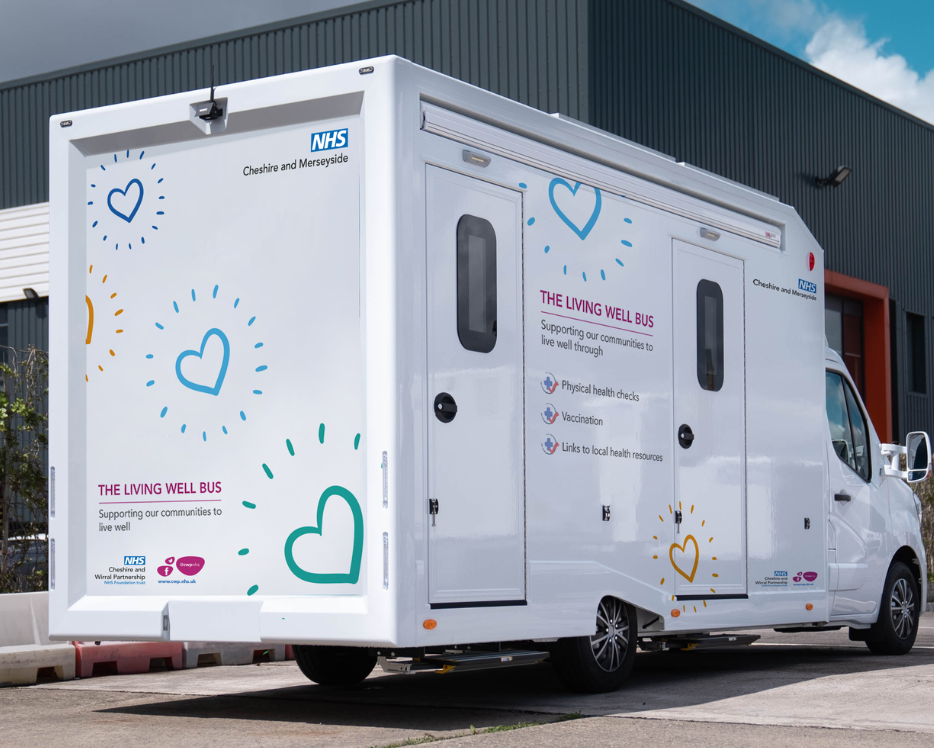
The Living Well Service, provided by Cheshire and Wirral Partnership NHS Foundation Trust (CWP), covered the whole of Cheshire and Merseyside when it was established in 2022. Utilising three specially designed busses, it operates on a fully drop in basis and has been providing routine UK immunisations, health checks, and mental wellbeing support at the heart of our communities ever since.
Since July 2024 it has also been providing cervical screenings for local women and people with a cervix. Cervical screening is a test to check the health of the cervix and to help prevent cervical cancer. It is offered to women and people with a cervix aged 25 to 64. Initially, the team only provided this in Sefton, Merseyside as part of an initial pilot programme.
However, following success there, it was subsequently rolled out across Cheshire and Merseyside. Since January 2026 – it has further expanded into Lancashire, providing clinics in Blackburn, Blackpool, Hyndburn and Preston. Commissioned by NHS England, this expansion has been evidence of the success, need and value of the service.
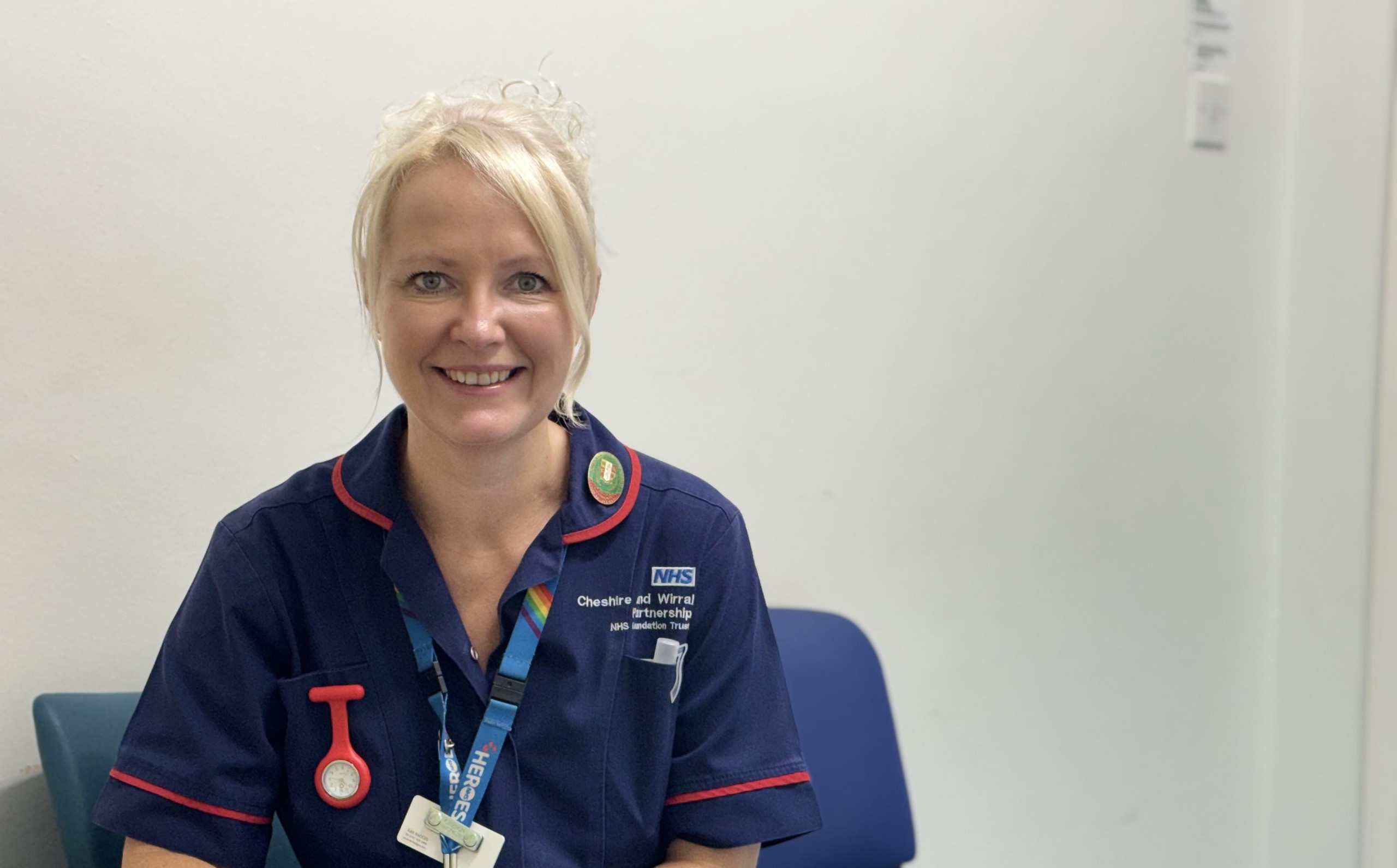
Geraldine Marsh, CWP Operations Manager - Vaccination and Living Well Service, said: “We have always prided ourselves as a service on our adaptability and dynamism, being ready and able to respond to the demand of the local health system to help local people. Our compassionate, caring team are ready and willing to do whatever they can to improve access to health services. We therefore welcomed the challenge of providing cervical screening in July 2024.
“It is a huge testament to the work of the team to see how many people have turned up to our clinics to get checked. We make a huge amount of effort to ensure our service is as welcoming, compassionate and, above all, as safe as it can possibly be.”
Upcoming dates of cervical screening clinics being held by the service are available on the Living Well Service page on the CWP website.
Tricia Spedding, Head of Public Health for NHS England in the North West, said: “This fantastic milestone is a prime example of how the NHS is tackling health inequalities, bringing care into the community, and preventing illnesses – all key parts of the Government’s 10 Year Health Plan.
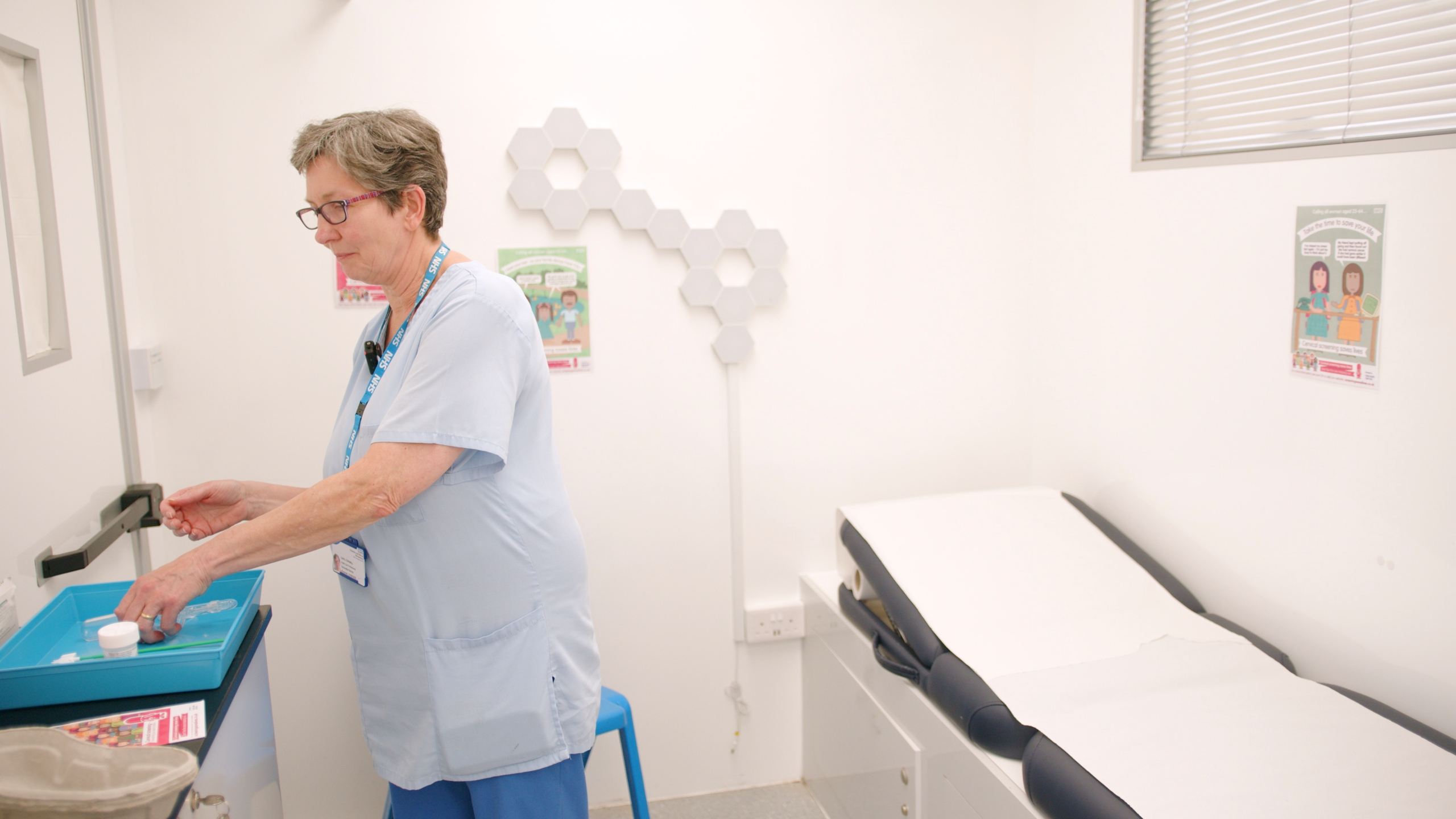 “Delivering these vital checks in the community at more convenient times for women in the region has been a great success, from what started as a targeted pilot in Sefton. We’re looking forward to continuing this service and ensuring as many people as possible are screened for HPV, which along with the HPV vaccine, will help us reach the NHS’s ambition of eliminating cervical cancer by 2040.”
Dr Sinead Clarke, Associate Medical Director for Quality and System Improvement, NHS Cheshire and Merseyside Lancs and South Cumbria ICB said: “Reaching 2,000 cervical screenings through the Living Well Service is a major milestone – and clear evidence that bringing healthcare directly into our communities works. By making screenings accessible, in places where people live or work, we’re reaching people who might otherwise postpone or avoid this vital test.
“Cervical screening saves lives. If you’re due your test, don’t wait. Book an appointment or drop into your nearest Living Well clinic. Our trained staff are there to make your screening as easy and comfortable as possible, and they’re always happy to talk through any questions or concerns you might have.”
Lee Threlfall, Assistant Director Cancer Lancashire and South Cumbria ICB, said: “We are delighted that this service is being offered to people in Blackburn, Blackpool, Hyndburn and Preston. it has proved to be such a popular and convenient way for people to get their cervical screening done closer to home. It is another important step in our commitment to improving health outcomes and tackling inequalities across our communities”